

What is CREATE with HARRY™?
The HARRY™ Story
Every young person faces hard things. Loss. Conflict. Uncertainty. Change. What helps them not just survive those moments, but grow through them, is resilience. And resilience can be built.
Boys Town researchers wanted to know: what are the everyday activities that actually build resilience in young people? They started by listening, gathering focus groups of racially and culturally diverse youth in residential programs, asking two simple questions: What has helped you overcome the challenges you've faced? What family and community traditions have helped you through hard times?
From those conversations, a framework emerged. Six categories of activity that, when practiced consistently, help young people develop the hope and coping resources they need to face whatever comes next. They named it HARRY: Healthy Activities for Raising Resilient Youth. And the framework inside it? CREATE.
The CREATE Framework
CREATE is an acronym for the six activity categories that build resilience. Together, they represent a balanced approach to how kids grow, connect, and cope.
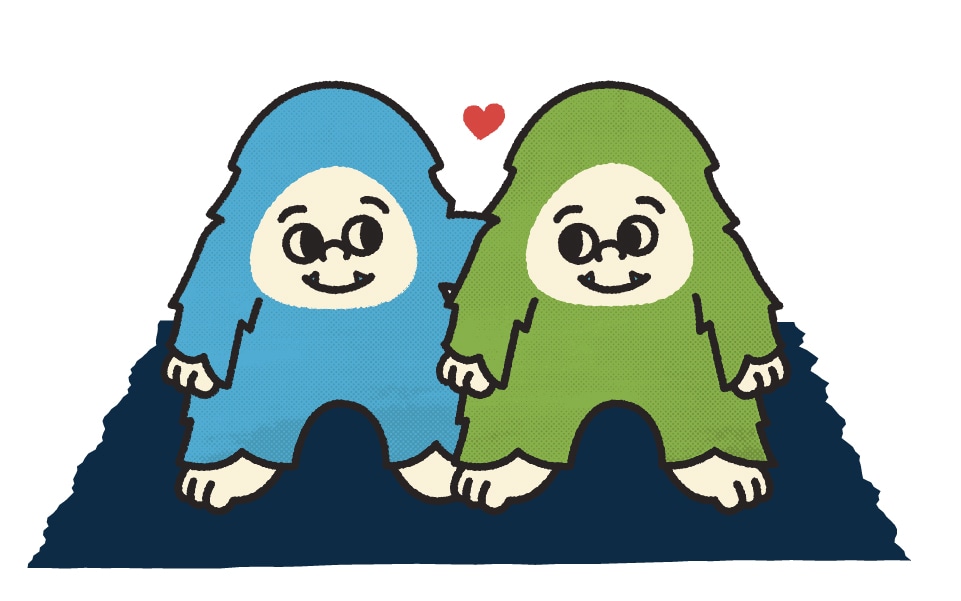
CONNECT
Spend time with people. Connection to family, friends, and community is one of the strongest protective factors in a young person's life. This includes one-on-one time with a family member, going to community events, or simply watching a movie with someone you care about.
Parenting.org Connection: See our resources on Building Relationships and Family Connection.
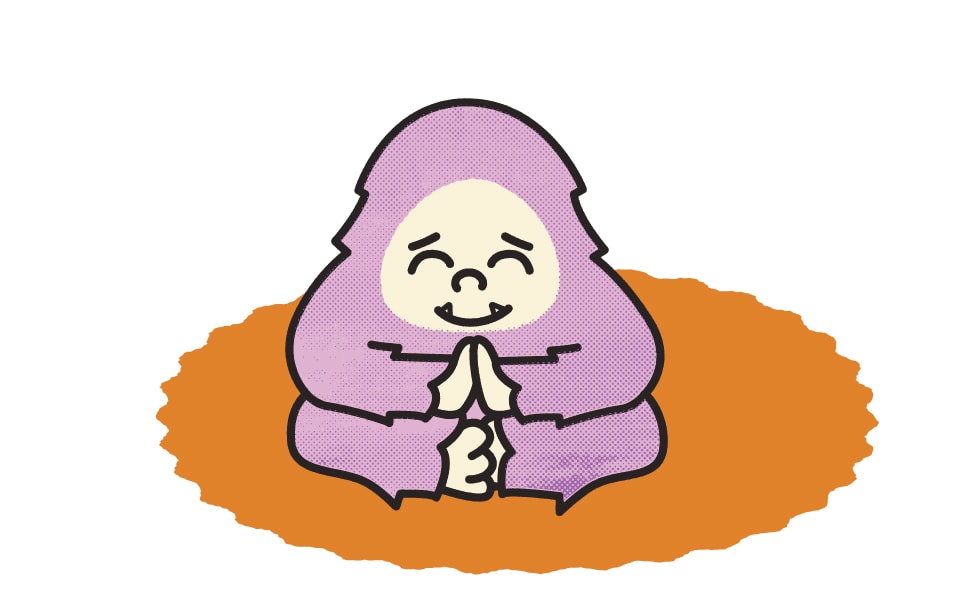
RENEW
Reset your mind and find calm or meaning. Renewal is about stepping back from stress, through prayer, meditation, spiritual practices, being outdoors, or any activity that helps a young person reconnect with a sense of peace or purpose.
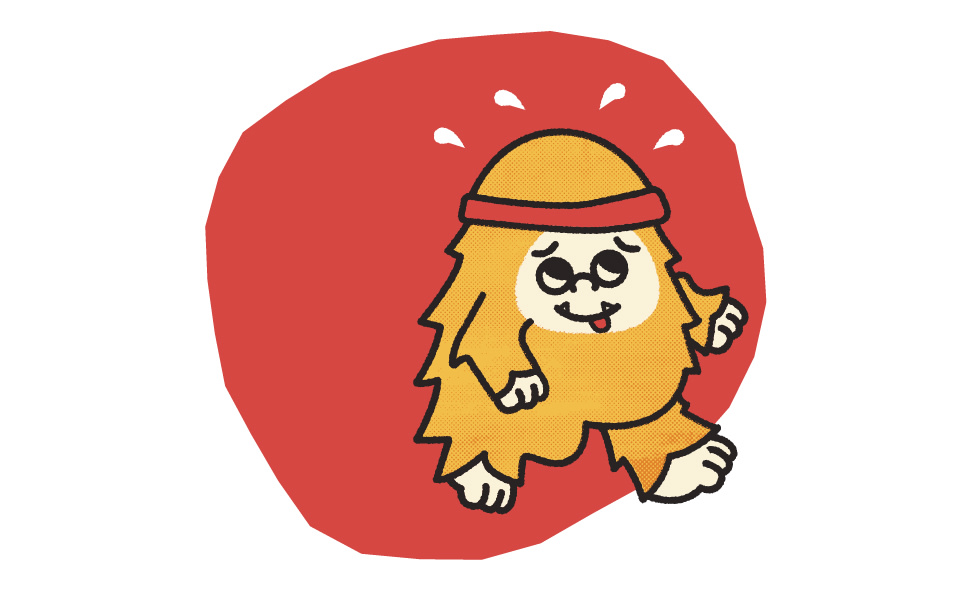
EXERCISE
Move your body. Physical activity is one of the most evidence-backed mood regulators available to kids. Sports, bike rides, dancing, hiking, it all counts. The goal is regular movement, not athletic performance.
BoysTownHospital.org Connection: See our content on Physical Activity and Screen Time Balance

APPRECIATE
Notice the good. Gratitude practices shift how young people perceive their lives. Treating yourself to something you enjoy, doing something kind for someone else, appreciating your culture or heritage, or simply pausing to notice a positive moment, these small practices build an orientation toward hope.
THINK
Solve problems and grow your mind. This category includes problem-solving, puzzles, trying new things, and developing a growth mindset. It directly connects to Boys Town's SODAS Method, a structured approach to helping kids think through situations and choose their best path forward.
Parenting.org Connection: Learn the SODAS Problem-Solving Method — a step-by-step tool that teaches kids how to think through difficult situations with confidence.
EXPRESS
Create and show who you are. Expression includes art, music, writing, building, crafting, cooking — any activity through which a young person externalizes their inner world. Expression supports identity development and emotional processing.
Parenting.org Connection: See our Coping Skills resources for more healthy outlets for emotions.
Why All Six Matter
A key finding in the HARRY research is that resilience is built through a variety of behaviors, not just one. A child who moves their body but never connects with others, or who expresses creatively but never practices problem-solving, is working with a partial toolkit.
Think of the CREATE framework like a balanced diet for the mind. No single activity is enough on its own. The goal is consistent engagement across all six categories, especially during transitions and difficult life moments when one or two of these areas tends to fall off.
As children grow, starting new schools, navigating peer relationships, facing loss or family change, their CREATE balance will naturally shift. That's why the assessment and personalized planning piece matters: it gives kids and their adults a regular opportunity to check in and recalibrate.
The Research Behind It
CREATE with HARRY is built on two peer-reviewed studies conducted by the Boys Town Child and Family Translational Research Center.

Study 1 — Building the Framework (Tyler et al., 2024)
The original HARRY study was published in Adversity and Resilience Science. Researchers conducted focus groups with 32 culturally diverse youth (ages 12–18) in a residential program, asking what had helped them overcome adversity. Racial and ethnic differences and similarities in resilience strategies were analyzed, and the CREATE framework was developed from the findings. This culturally grounded approach ensures HARRY reflects the real experiences of diverse youth, not just clinical assumptions about what resilience looks like.
Reference: Tyler, P. M., Day, J., Chmelka, M. B., Loro, J., & Gordon, C. T. (2024). Developing a culturally informed resilience screen for youths in residential programs. Adversity and Resilience Science, 5(4), 369–382.

Study 2 — Validating the Assessment (Technical Report, 2026)
A follow-up psychometric study validated the HARRY-SF (Short Form) — a 14-item version of the full 41-item instrument — with a new, diverse sample of 128 adolescents (ages 11–18). Key findings:
- HARRY-SF is reliable (ordinal ω = .86) and measures a single, unified resilience construct.
- It captures unique behavioral information beyond traditional trait-based resilience scales.
- Hope is the central mechanism: higher HARRY-SF scores predict greater hope, which in turn predicts lower emotional distress.
- Critically, this protective pathway holds across all levels of trauma severity, meaning HARRY-SF is relevant even for youth who have experienced significant adversity.
- The scale functions equivalently for male and female youth.
What this means in plain language: doing CREATE activities builds hope. Hope protects against emotional distress. And this is true whether a child is navigating everyday stress or something much harder.
DOWNLOAD